Ten true stories, studied by doctors and witnesses and officially recognized by the Catholic Church. To read, to believe and to pray.
How the Church recognizes a miracle
The Church is very careful. For a healing, the medical records from before and after are needed. The healing must be sudden, complete and lasting, and doctors, believers and non-believers alike, must conclude that science cannot explain it. Only after this examination, which often takes many years, does the bishop or the Pope declare it a miracle.
For an apparition or another sign, the witnesses, the facts and the spiritual fruits are studied. No Catholic is obliged to believe in a particular miracle: they are signs that invite us to faith and prayer, not a substitute for them.
Antonietta Raco, from Francavilla in Sinni in southern Italy, suffered from primary lateral sclerosis, a degenerative disease of the motor nerves. She lived in a wheelchair and even breathing and swallowing had become hard.
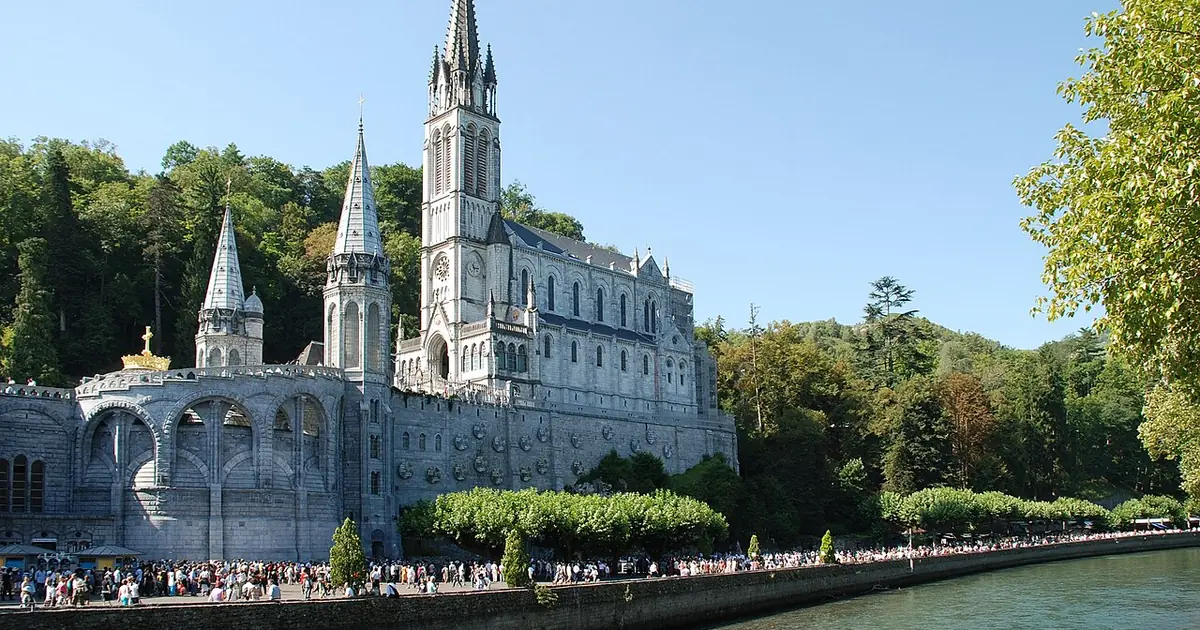
In the summer of 2009 she went on pilgrimage to Lourdes. While in the baths she heard a voice telling her not to be afraid. She went home still in her wheelchair, but a few days later she stood up and walked.
For thirteen years the doctors of the International Medical Committee of Lourdes studied her case. In the end they judged it inexplicable by science: it is the first Lourdes miracle for a neurodegenerative disease. Since 1858 more than 7,000 healings have been reported at Lourdes, but the Church has recognized only 72 as miracles.
Recognition: 72nd miracle of Lourdes, recognized on 16 April 2025 by the Bishop of Tursi-Lagonegro.
✝ Our Lady of Lourdes, pray for us and for all the sick.
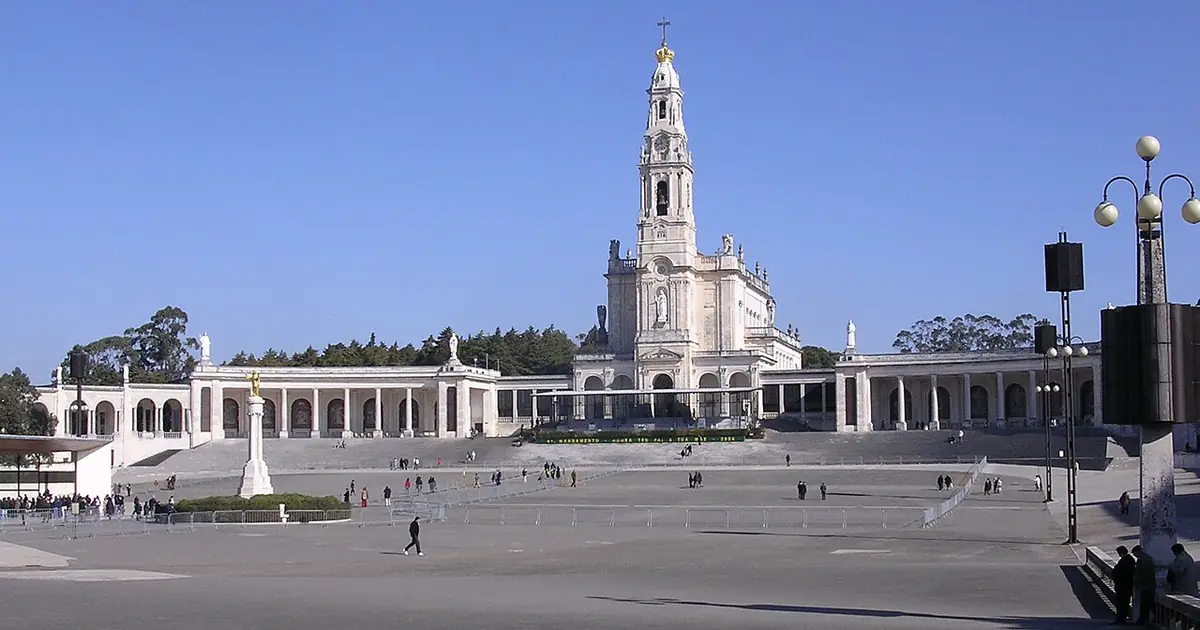
From May 1917 three shepherd children, Lúcia, Francisco and Jacinta, said they saw Our Lady on the 13th of every month. She had promised a sign, so that everyone could believe.
On 13 October tens of thousands of people came to the Cova da Iria, including journalists and non-believers. It had rained for hours. Suddenly the clouds parted and the sun seemed to spin, change colour and plunge towards the crowd. Even Portugal's secular newspapers, hostile to the Church, reported what the people there had seen.
After years of investigation, in 1930 the Bishop of Leiria declared the apparitions worthy of belief. Francisco and Jacinta were proclaimed saints by Pope Francis in 2017, at Fatima itself.
Recognition: Apparitions declared worthy of belief by the Bishop of Leiria on 13 October 1930.
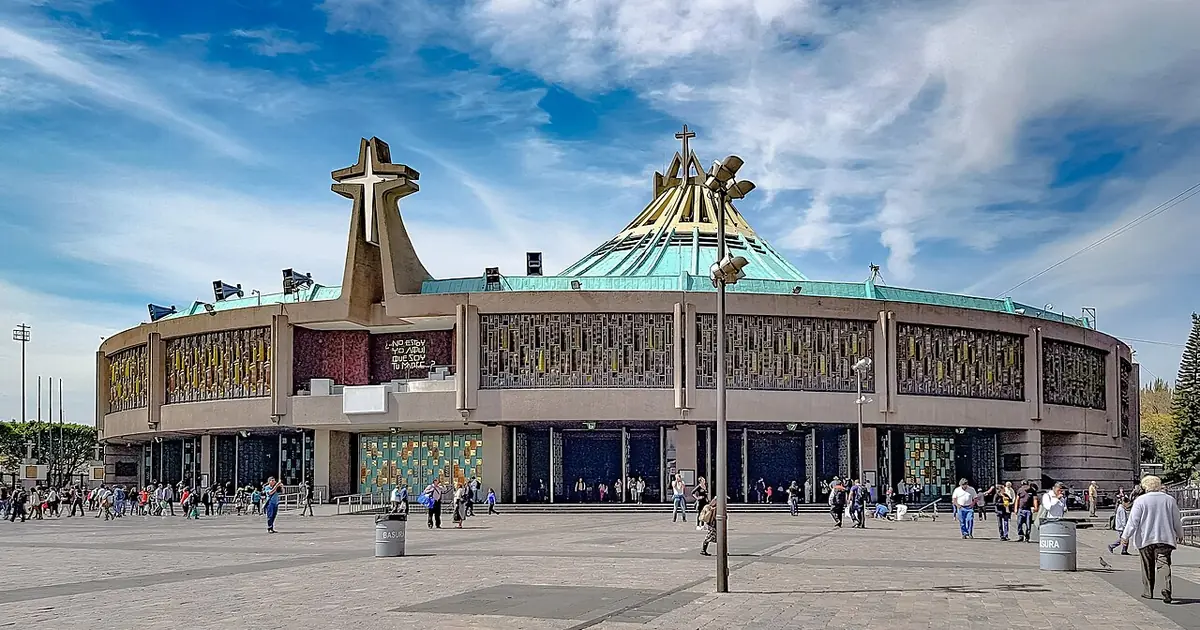
On the hill of Tepeyac Our Lady appeared to Juan Diego, an indigenous convert, and asked him to have a church built there. Bishop Juan de Zumárraga did not believe him and asked for a sign.
Our Lady sent Juan Diego to gather flowers on the top of the hill, in the middle of December, where nothing grows in winter. He found fresh roses, gathered them in his tilma (a cloak of agave fibre) and took them to the bishop. When he opened the cloak, the roses fell and the image of the Virgin appeared on the cloth.
That cloak of plant fibre, which normally lasts a few decades, is still displayed in the Basilica of Guadalupe after almost five hundred years. It is the most visited Marian shrine in the world.
Recognition: Juan Diego proclaimed a saint by John Paul II on 31 July 2002.
✝ Our Lady of Guadalupe, Mother of the Americas, pray for us.
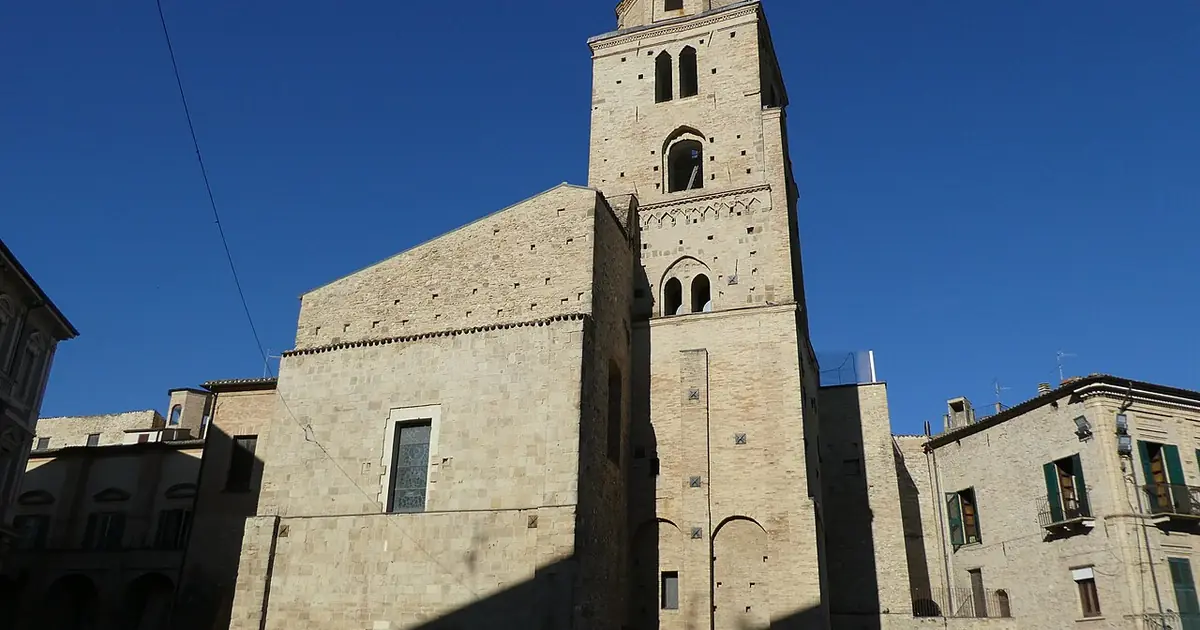
A monk was celebrating Mass but doubted that Jesus was truly present in the Host. As he spoke the words of consecration, the Host became flesh and the wine became blood, which gathered into five clots.
The relics are still displayed in Lanciano today. In 1970-71 they were analysed by Professor Odoardo Linoli, a professor of anatomy and pathological histology. According to his analysis the flesh is human heart tissue and the blood is human, type AB, with no trace of preservatives.
It is considered the oldest known Eucharistic miracle. It reminds everyone, including those who doubt, that Jesus is truly present in the Mass.
Recognition: Relics venerated for more than a thousand years and verified by bishops in several official examinations, from 1574 on.
✝ Jesus, I believe that you are present in the Eucharist.
A Bohemian priest, Peter of Prague, was on pilgrimage to Rome, troubled by doubts about the real presence of Jesus. He celebrated Mass in the church of Saint Christina in Bolsena.
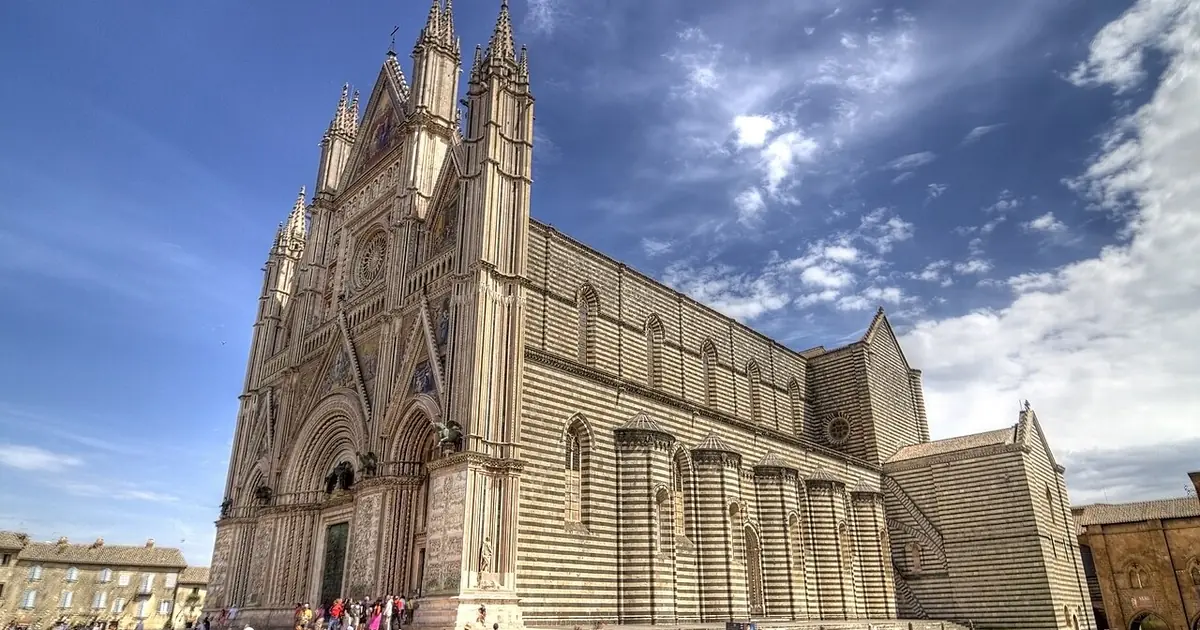
At the consecration blood flowed from the Host and stained the corporal, the linen cloth spread on the altar. Pope Urban IV, who was then living in Orvieto, had the corporal brought to the city.
According to tradition, this sign is what moved the Pope, the following year, to establish the feast of Corpus Christi for the whole Church. The corporal is still venerated today in Orvieto Cathedral.
Recognition: The corporal is kept in Orvieto Cathedral; Urban IV extended the feast of Corpus Christi to the whole Church in 1264.
✝ Praised and thanked be at every moment the most holy and divine Sacrament.
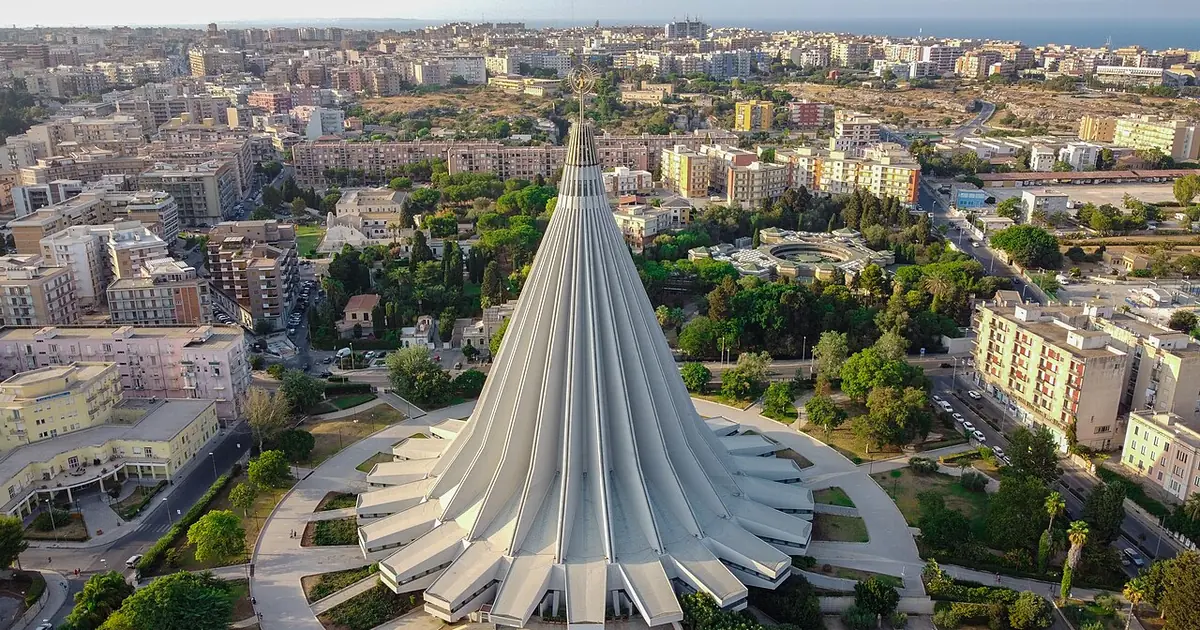
In the home of Angelo Iannuso and Antonina Giusto, a young married couple, a small plaster plaque of the Immaculate Heart of Mary hung above the bed. On 29 August 1953 Antonina, pregnant and ill, saw that the Madonna was weeping.
The tears continued for four days, in front of thousands of people, and were even filmed. A commission of doctors collected and analysed them: they were human tears. The plaque was examined and hid no trick.
A little over three months later the bishops of Sicily declared that the weeping could not be doubted. Pius XII spoke about it in a radio message. Today the plaque is kept in the great Shrine of Our Lady of Tears.
Recognition: Unanimously declared authentic by the bishops of Sicily on 12 December 1953.
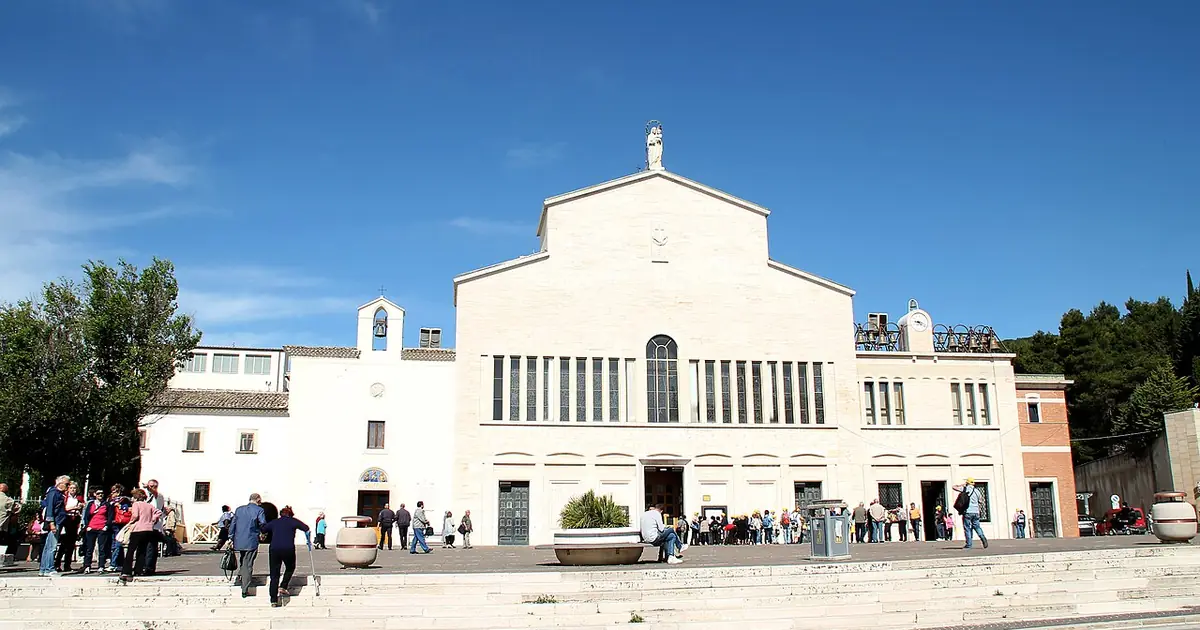
Matteo Pio Colella was 7 when he fell ill at school. At Padre Pio's hospital, the Home for the Relief of Suffering, where his father worked, he was diagnosed with fulminant meningitis. Within hours his kidneys, lungs and blood clotting failed, and Matteo fell into a coma.
The doctors gave up hope. His mother went to pray at Padre Pio's tomb and the friars of the friary kept vigil in prayer all night. That very night Matteo's condition began to improve.
When he woke up, Matteo said he had dreamed of an old friar with a white beard who told him not to worry, because he would soon be well. Looking at a photo, he recognized him: it was Padre Pio. On the day of the canonization, in St Peter's Square, Matteo made his First Communion.
Recognition: Miracle approved on 20 December 2001; Padre Pio canonized on 16 June 2002.
✝ Saint Pio of Pietrelcina, pray for us and for sick children.
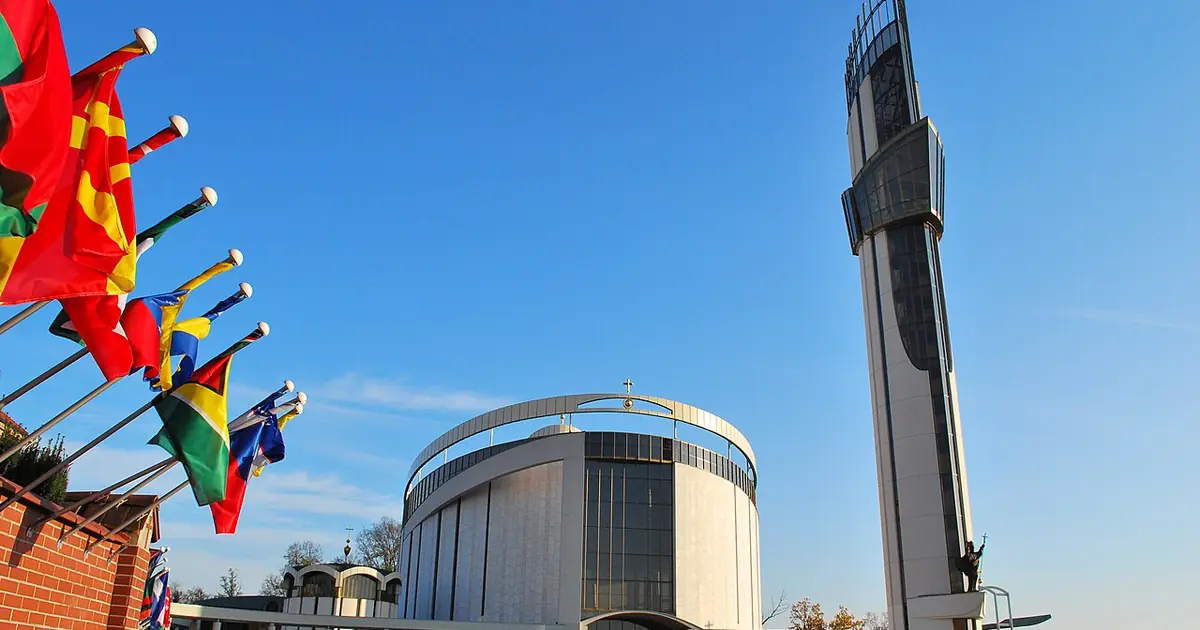
Father Ronald Pytel, an American priest, had serious aortic valve disease. Even after surgery his heart remained badly damaged, and the doctors told him he would never return to his old life.
On 5 October 1995, the feast of Sister Faustina, he prayed before one of her relics at the Divine Mercy shrine in Baltimore. During the prayer he fell to the floor and lay still for a while, at peace. A few days later, at his check-up, the cardiologist found a heart working normally.
The Church also recognized a first miracle: that of Maureen Digan, healed in 1981 after praying at Faustina's tomb in Kraków. On 30 April 2000 John Paul II proclaimed Faustina a saint and established Divine Mercy Sunday.
Recognition: Second miracle for the canonization of Saint Faustina, proclaimed a saint on 30 April 2000.
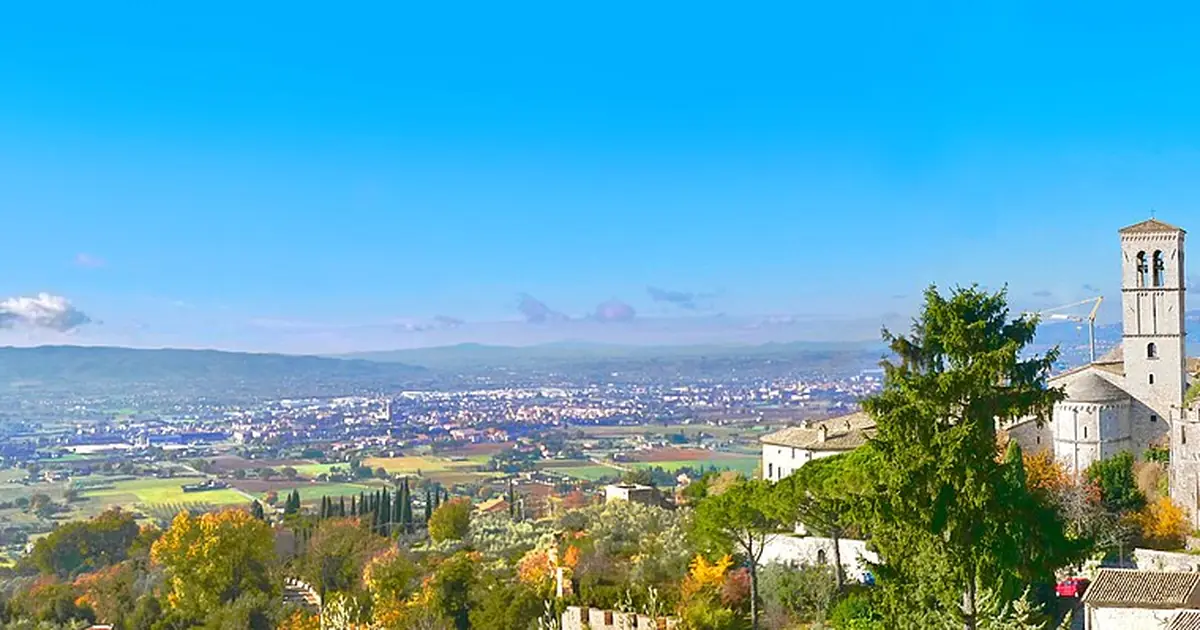
Valeria Valverde, 21, was a student from Costa Rica living in Florence. In July 2022 she fell from her bicycle and suffered a severe head injury. She had emergency surgery and the doctors told her family she had little chance of surviving.
Six days after the accident her mother, Liliana, went to Assisi and prayed for hours at the tomb of Carlo Acutis, the boy from Milan who died aged 15 in 2006. That same day Valeria began to breathe on her own. The next day she moved her arms and began to speak again.
Ten days later she left intensive care, and tests showed that the bleeding in her brain had disappeared. In September, healed, she went to Assisi with her mother to thank Carlo. Carlo's first miracle had been the healing of Mattheus, a Brazilian boy born with a serious malformation of the pancreas.
Recognition: Miracle approved by Pope Francis on 23 May 2024; Carlo Acutis proclaimed a saint in 2025.
✝ Saint Carlo Acutis, help us to love the Eucharist.
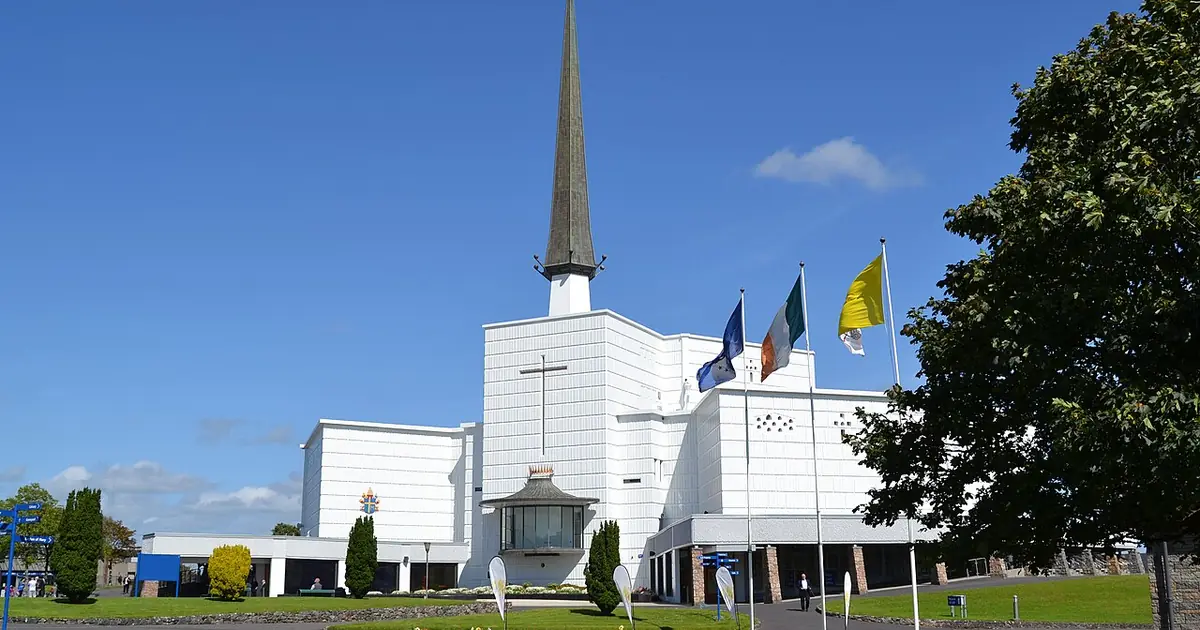
It was a rainy evening in a small Irish village. On the gable wall of the parish church fifteen people, aged 5 to 75, saw a light, and in the light Our Lady, Saint Joseph and Saint John the Evangelist. Beside them was an altar with a Lamb and a cross.
The apparition lasted about two hours and no one said a word. The witnesses stayed to pray in the rain, yet the ground beneath the figures stayed dry.
Two Church commissions heard the witnesses, in 1879 and again in 1936, and found them credible. John Paul II came on pilgrimage in 1979, for the centenary.
Recognition: Approved by two Church commissions (1879 and 1936); international Marian and Eucharistic shrine since 2021.
✝ Our Lady of Knock, Queen of Ireland, pray for us.
How many miracles has the Church recognized at Lourdes?
Since 1858 more than 7,000 healings have been reported at Lourdes, but only 72 have been officially recognized as miracles. The latest, in 2025, is that of Antonietta Raco, healed of primary lateral sclerosis.
How many miracles are needed to become a saint?
Normally one for beatification and a second, after beatification, for canonization. Martyrs do not need a miracle to be beatified.
What is the oldest Eucharistic miracle?
The one at Lanciano, Italy, in the 8th century: the Host and the wine turned into flesh and blood, which are still preserved today.
Must a Catholic believe in the miracles of apparitions?
No. Approved apparitions are private revelations: the Church says they are worthy of belief and that one may pray there, but it obliges no one to believe them.
Sources: Lourdes Sanctuary and Medical Bureau, Dicastery for the Causes of Saints, the shrines of Fatima, Guadalupe, Syracuse, Lanciano, Orvieto, Knock and Divine Mercy, Vatican News, Avvenire.
We use anonymous analytics cookies (Google Analytics) to see which pages are useful.